[A Study of Laughter in a Landscape of Ruins]
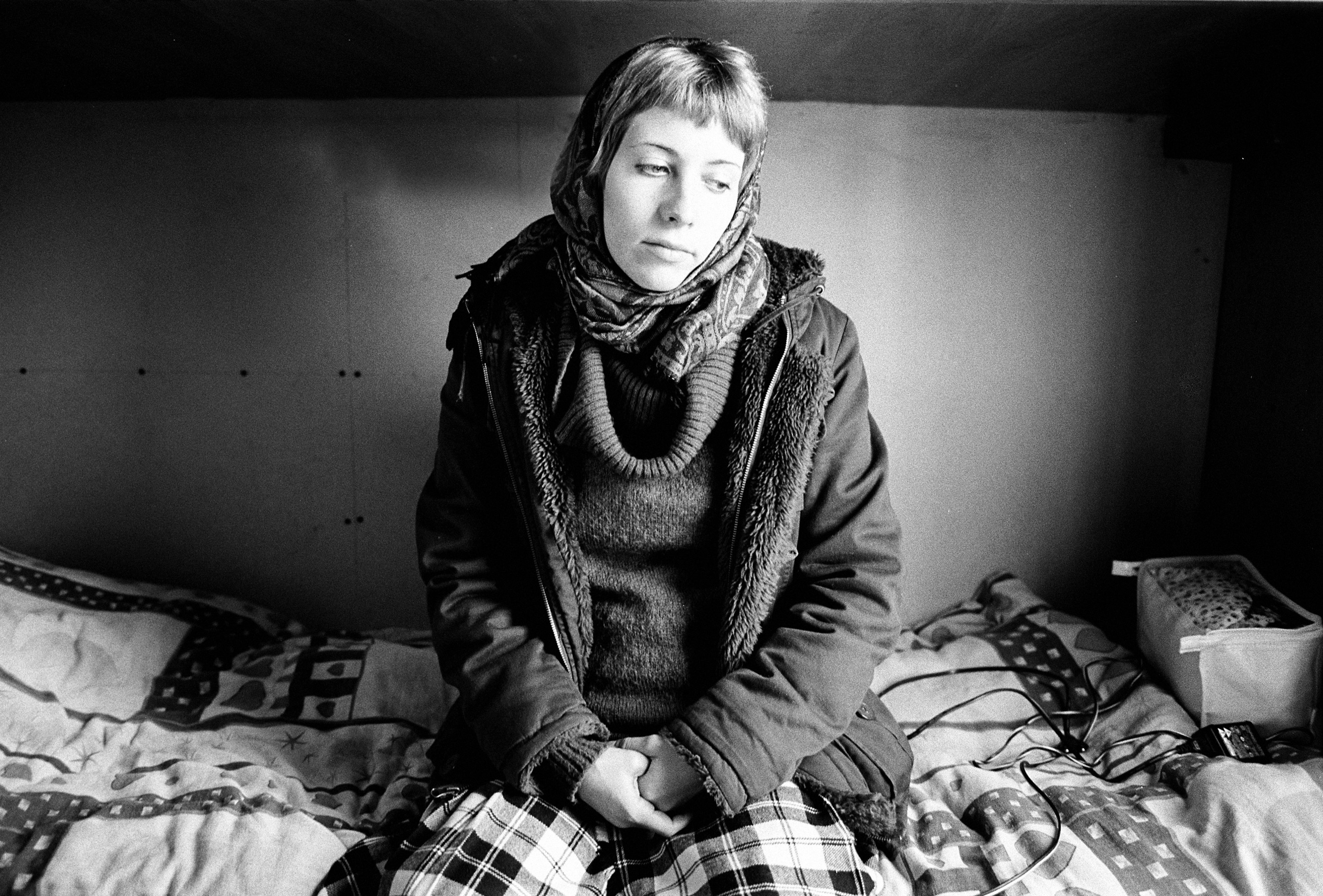
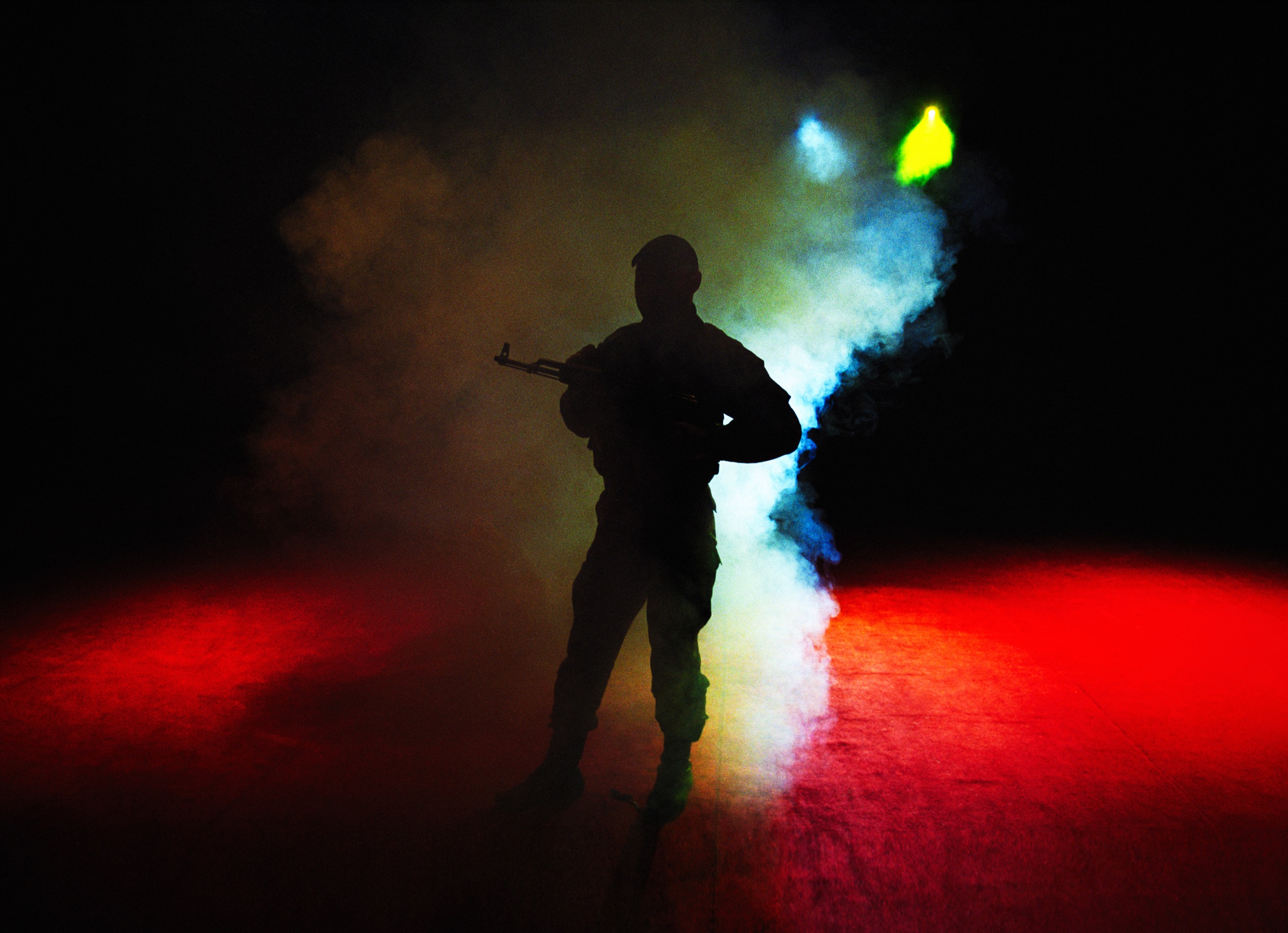
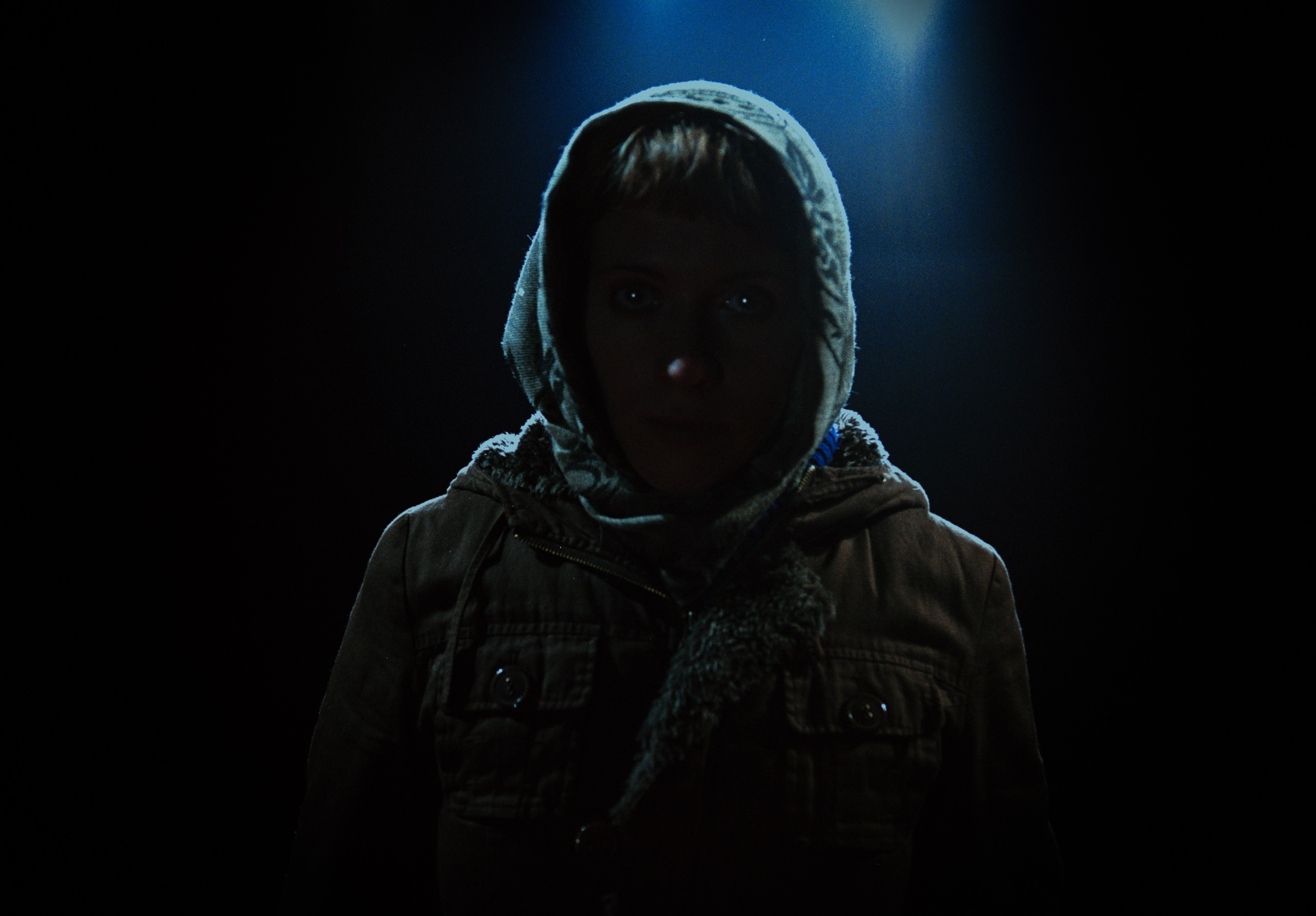
Grozny—a city partially erased by the scars of two Chechen wars—became the site of an improbable intervention. Children there had grown up in a vacuum of ruins, soldiers, and silence until the Shapito Circus arrived. Its mission was simple yet radical: to offer a vision of something previously unseen. We documented this project from within—living in cardboard houses built against the brutal winter, protected like a high-security military base.
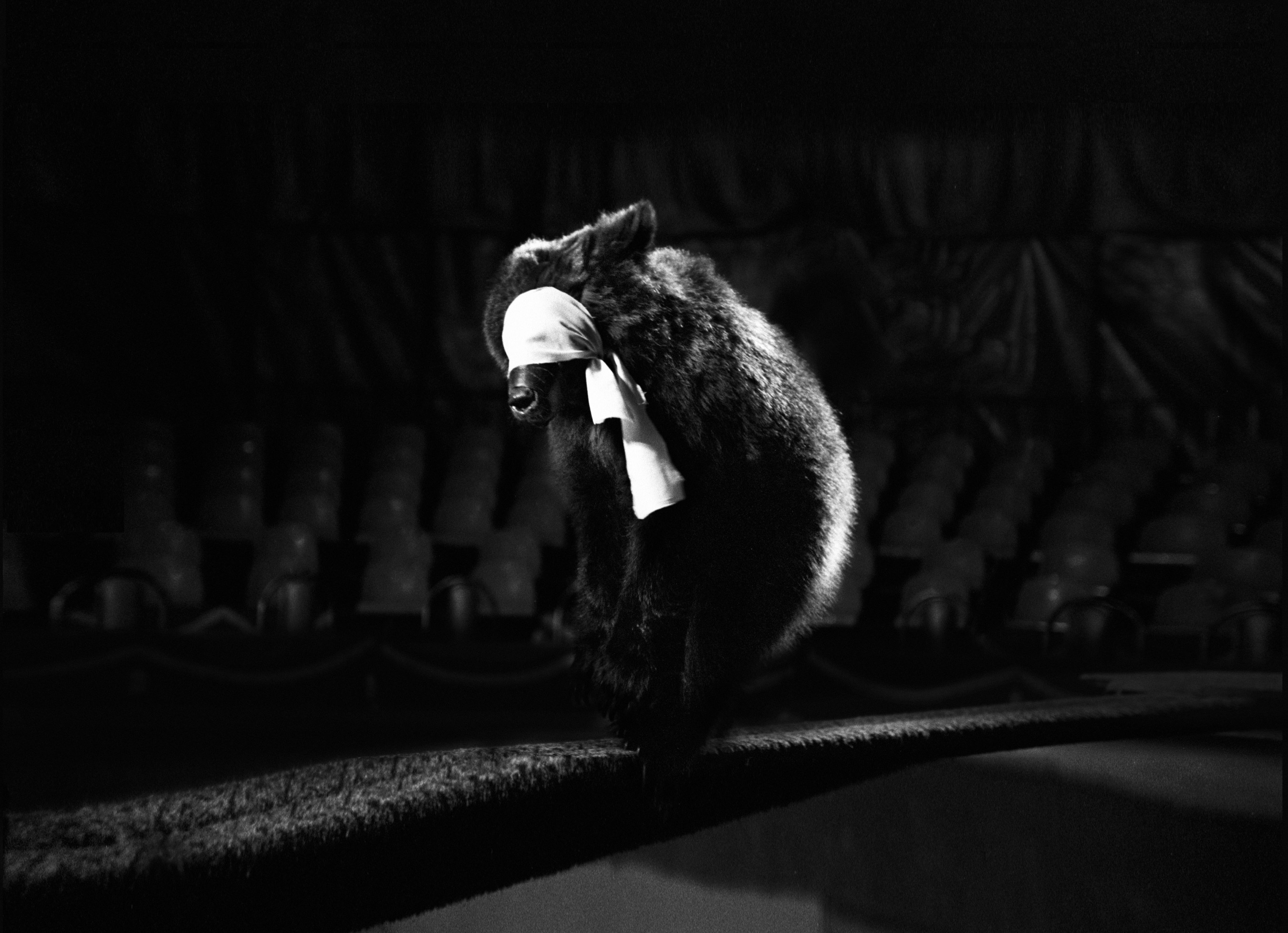
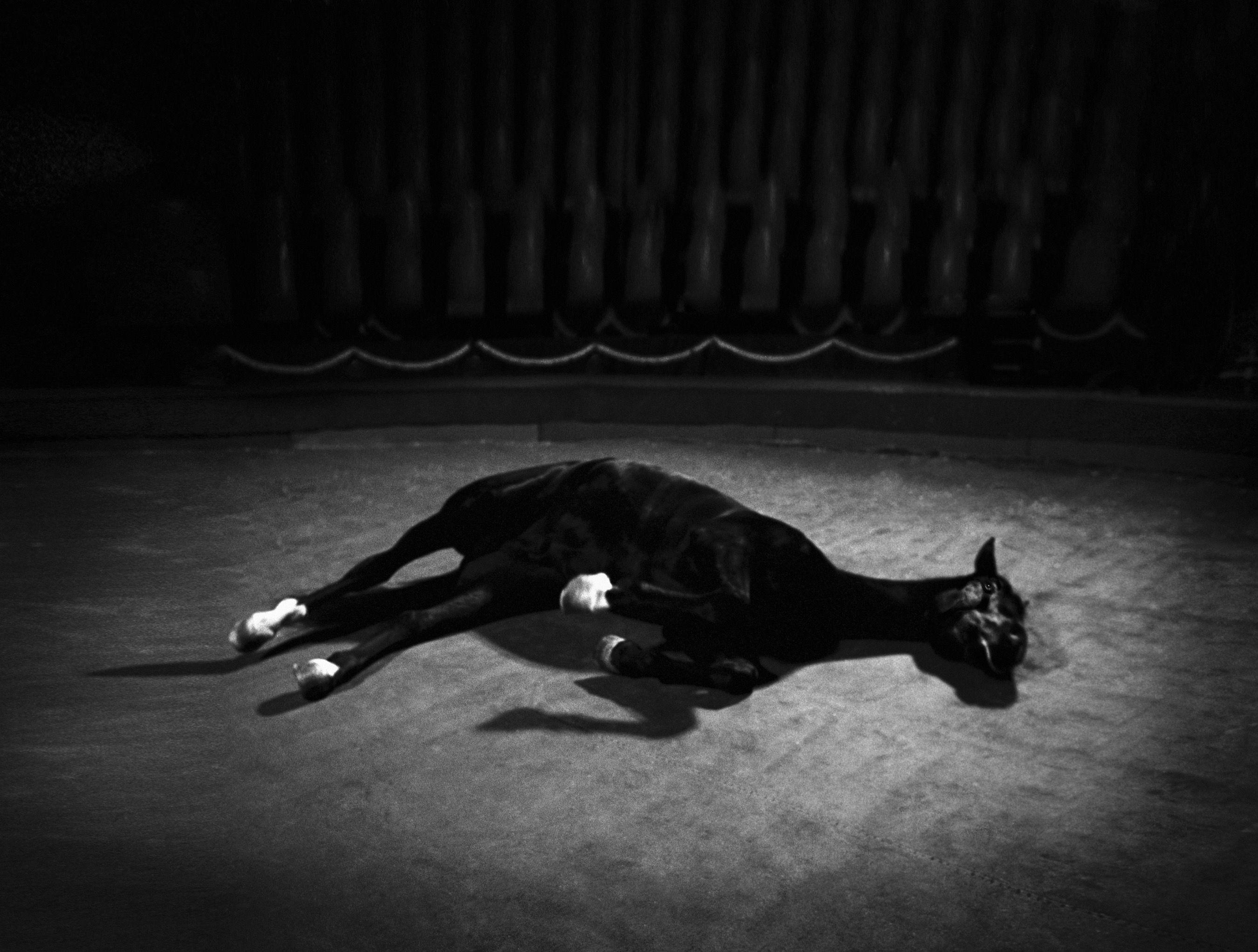
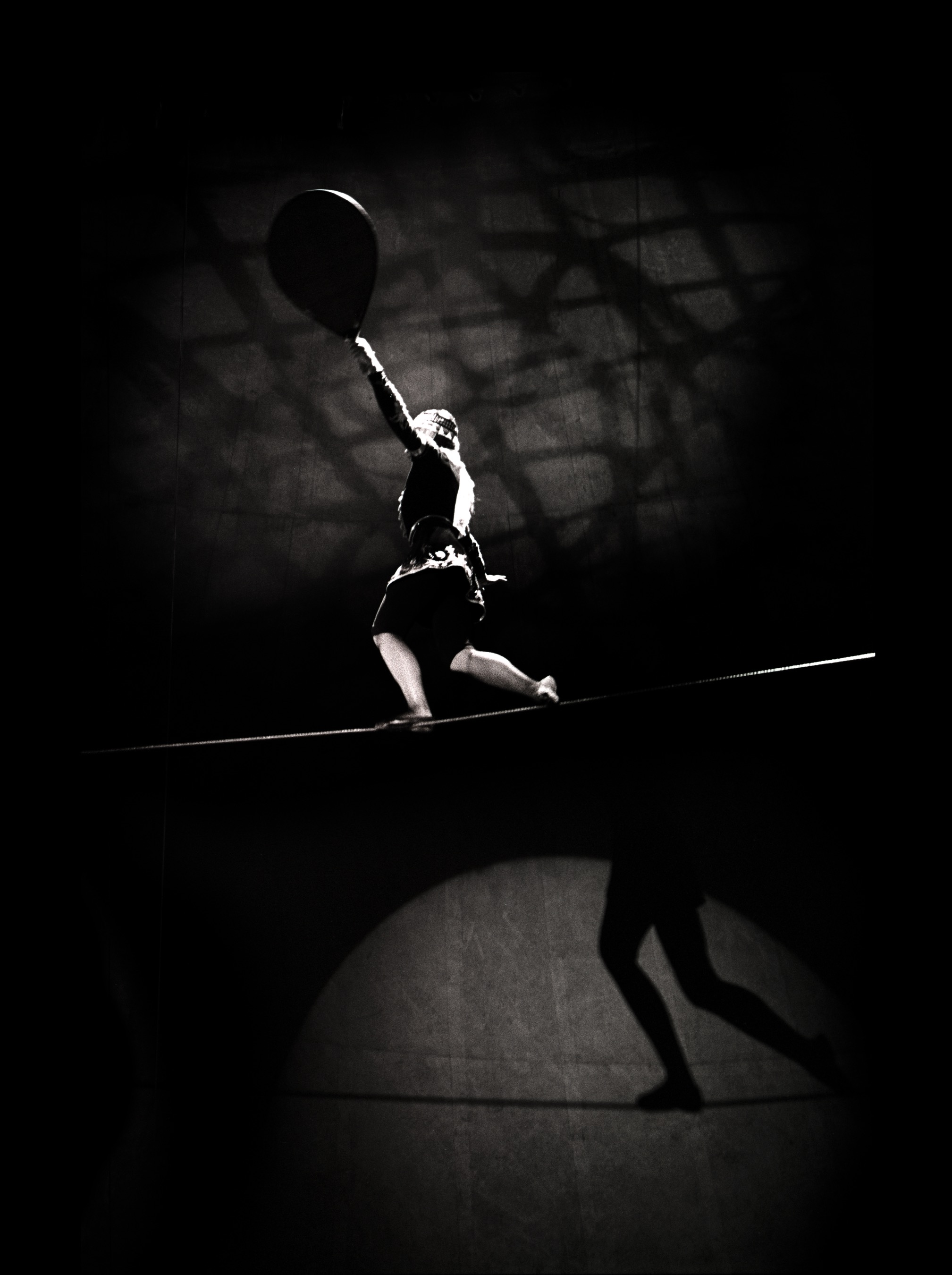
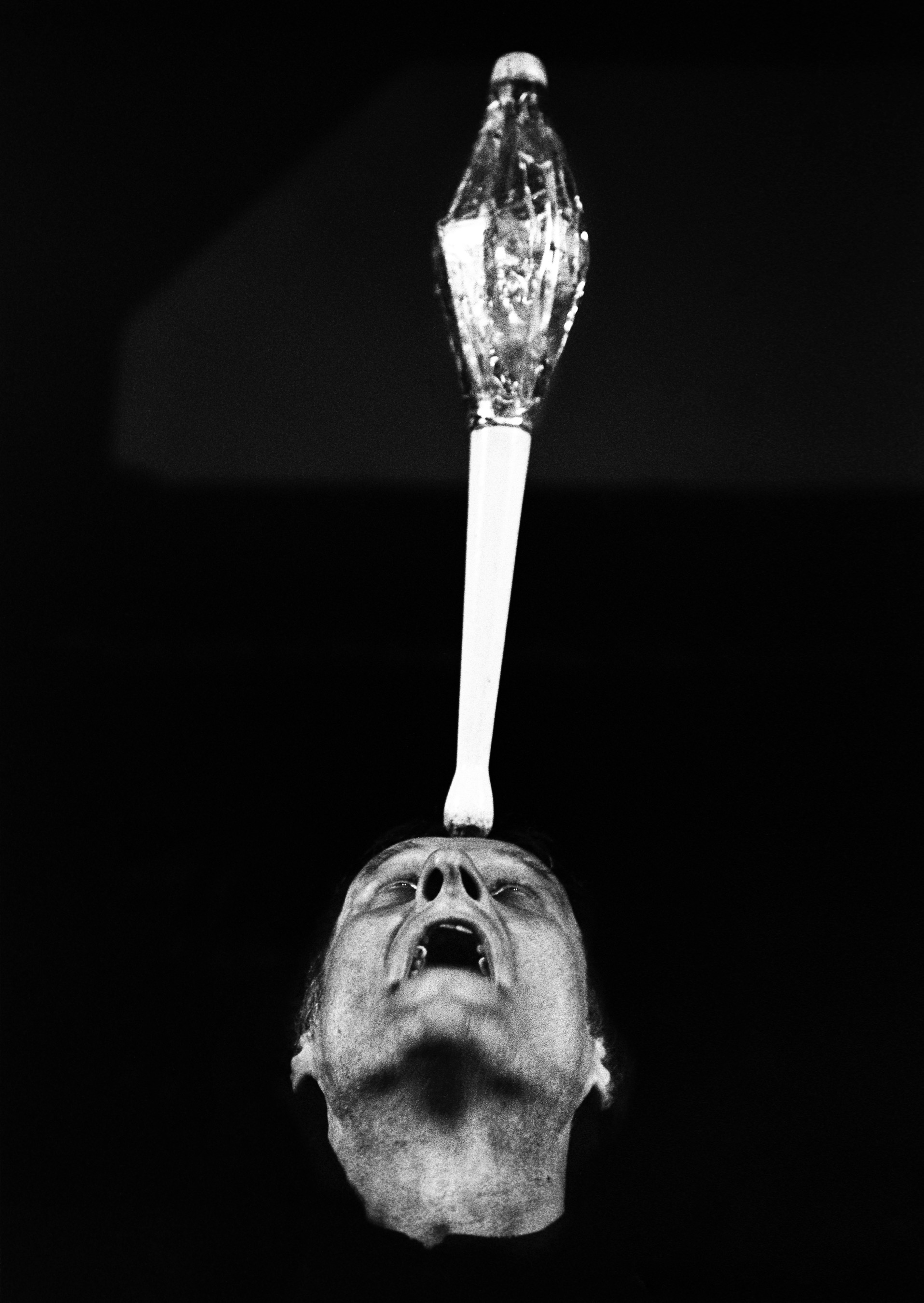
The environment was a study in sensory extremes: crisp frost, blue snow, and the echo of mosque bells at dawn. Under the tent, the reality shifted. We observed acrobats performing without safety ropes—a hallmark of the Russian circus tradition where unfiltered risk is the primary value offered to the spectator. A bear traversed a tightrope blindfolded; a horse mimicked death.
In a city rebuilt from pain, we witnessed a profound neurological shift. Children who had never heard applause learned how to clap—discovering, amid the soldiers and the ice, the forgotten mechanics of laughter.